Payment Pathways and Mobile Casino Adaptations in Response to Evolving Gambling Legislation
Skriven av Mia Powell · 2026-08-19
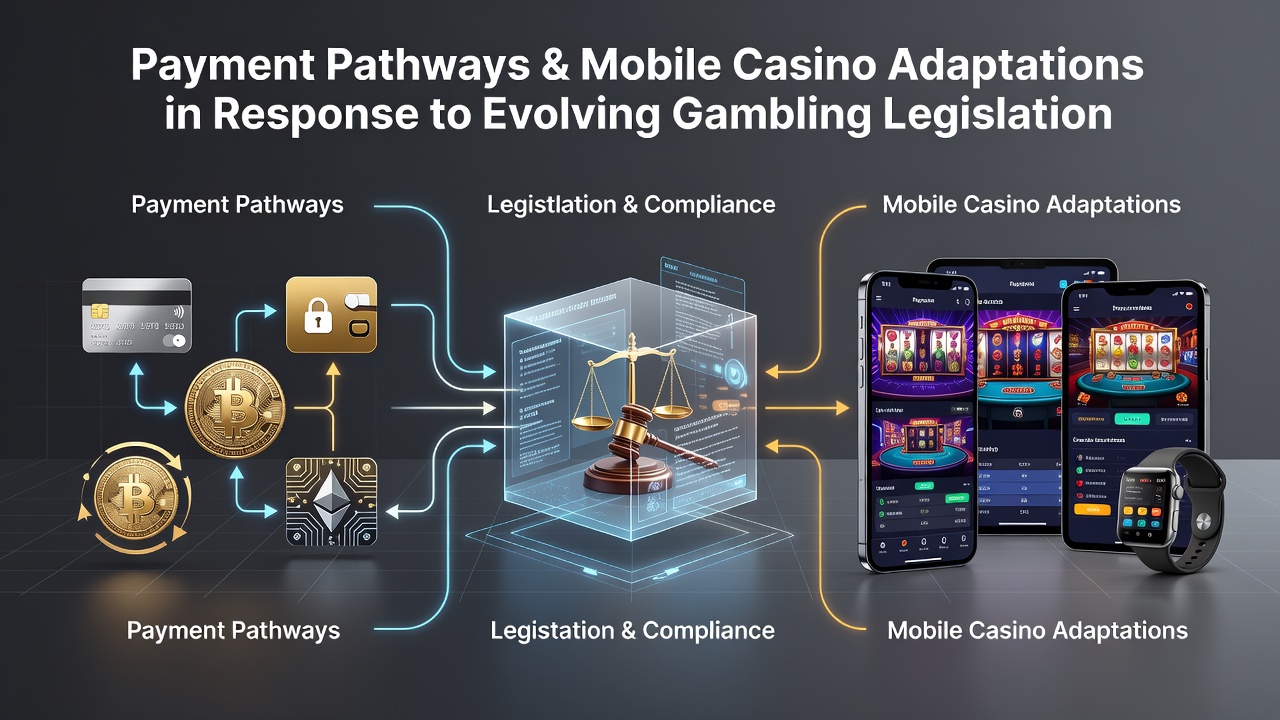
Payment Pathways and Mobile Casino Adaptations in Response to Evolving Gambling Legislation
Data from regulatory bodies shows that payment pathways in mobile casino operations have undergone significant adjustments since early 2024 as governments across multiple regions introduced new licensing requirements and transaction monitoring rules, and these shifts continued into August 2026 when several jurisdictions finalized updates to digital payment verification standards.
Legislation in Canada and parts of the United States now requires operators to integrate real-time verification systems that link directly with banking institutions, which means mobile platforms must support instant confirmation of funds while maintaining compliance with anti-money laundering protocols, and similar measures have appeared in Australian state frameworks where gaming commissions mandate encrypted channels for all deposit and withdrawal activities.
Regional Legislative Shifts Affecting Transactions
Observers note that Ontario's Alcohol and Gaming Commission updated its digital gaming standards in 2025 to require all licensed mobile operators to use approved payment processors that maintain audit trails for every transaction above a set threshold, and this rule has prompted widespread adoption of tokenization technologies that replace card details with unique identifiers during mobile sessions. Research from academic institutions in North America indicates that such requirements reduced processing times for compliant operators while increasing the complexity of backend integrations for smaller platforms.
European Union member states implemented harmonized rules on cross-border gambling payments in late 2025, which forced mobile casinos to segment user accounts by residency and apply region-specific limits on deposit methods, and these changes coincided with the rollout of open banking interfaces that allow direct account transfers without traditional card networks.
Mobile Platform Responses to New Rules
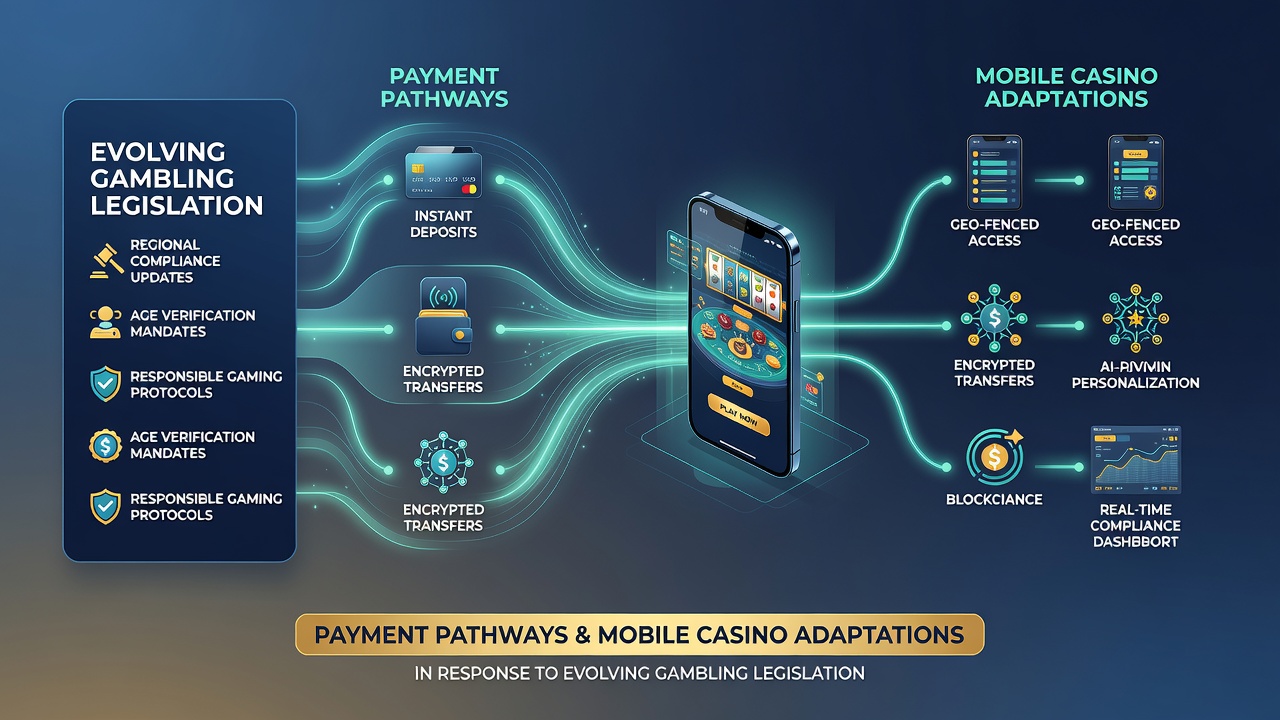
Mobile casino developers responded by embedding adaptive payment modules that detect user location and automatically adjust available options, and this approach allows seamless switching between bank transfers, e-wallets, and approved prepaid solutions depending on local statutes. Studies from industry research groups reveal that platforms incorporating these modules saw higher retention rates in regulated markets because users encountered fewer interruptions during deposit flows.
Security protocols have expanded to include biometric confirmation steps before any payout request, which aligns with legislation in multiple Australian states that demands multi-factor authentication for withdrawals exceeding certain amounts, and operators report that these additions have not significantly increased session abandonment when implemented through native app features rather than web redirects.
Technology Integration and Compliance Tools
Payment gateways have evolved to include automated compliance checks that cross-reference user data against regulatory watchlists in real time, and this capability became essential after August 2026 updates in several Canadian provinces that required operators to flag and pause transactions matching specific risk profiles. Industry associations tracking these developments report that integration of such tools has standardized practices across different mobile operating systems.
Case examples from regulated markets show operators replacing legacy card processing with hybrid systems that combine traditional banking rails and emerging digital currency options where permitted, and these hybrids maintain separate ledgers to satisfy reporting obligations that differ by jurisdiction. Data indicates that mobile apps using unified dashboards for these multiple pathways experienced fewer compliance incidents during routine audits.
Future Outlook Through 2026 and Beyond
Projections from research organizations suggest continued refinement of payment pathways will focus on interoperability between mobile wallets and licensed casino platforms, and this trend aligns with ongoing legislative reviews in the United States that examine how state-level rules can accommodate faster settlement methods without compromising oversight. Those monitoring the sector note that operators investing in flexible architectures now are positioned to meet incremental rule changes with minimal disruption.
Conclusion
Payment pathways and mobile casino adaptations continue to align closely with legislative developments across Canada, the United States, Australia, and the European Union, and the pattern through August 2026 demonstrates that compliance-driven technology upgrades have become standard practice rather than optional enhancements. Regulatory bodies and industry participants maintain ongoing collaboration on verification standards that support both player protection and operational efficiency.